01 Robustness against repertoire
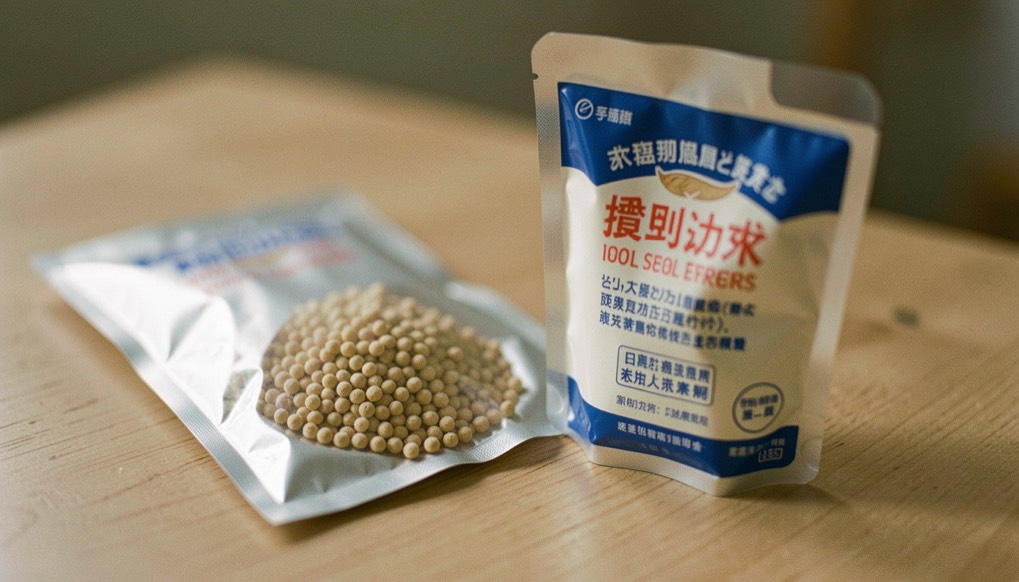
Dried strains earn loyalty through survivability. Manufacturing drives moisture out, packaging shields what remains, and the granules shrug off postal journeys cheerfully before promising dependable work at pitching time. Their historic weakness was narrow range, and even that has narrowed considerably: today many shelves stock convincing dried families covering most styles homebrewers actually chase. For countless kitchens an honest dry sachet wears the pragmatic crown without apology.
Liquid cultures court differently. They offer cultivated breadth: specialty houses pursuing regional character, seasonal releases and strains associated with famous breweries for faithful imitation projects. The price of that breadth is logistics, because viability depends on refrigerated journeys and patient expiry dates. Brewers arrive seeking precise estery signatures and accept chaperoned transport as the cost of specificity granted.
02 Handling either kind well
Manufacturers publish pitching instructions that deserve literal obedience about hydration, temperature, timing and quantity, even where habit protests. Those lines condense thousands of trials into a paragraph too easily skimmed. Buy from suppliers with real turnover so stock stays young in either format, store purchases dark and consistently cool until employed, and respect expiry reasoning instead of archiving hopeful remnants beside forgotten preserves.
Verification outperforms faith once fermentation starts. Tracking descent through hydrometer readings separates a leisurely strain from a genuinely stalled one, replacing anxious guessing with evidence anybody can read twice. Newcomers following the first beer kit guide do wisely to trust their accompanying sachet first, building instincts gradually rather than contradicting supportive beginnings prematurely.
| Consideration,Dried prospects,Liquid prospects | ||
|---|---|---|
| Postage resilience | Forgiving substantially | Refrigerated care required |
| Style breadth | Convincing core coverage | Specialist depth unmatched |
| Shelf confidence | Long documented life | Months counted humbly |
| Budget positioning | Accessible pleasantly | Premium justified delicately |
03 A practical selection routine
Selection simplifies through sequenced questions: which style is targeted, which formats are locally available fresh, and which freshness indicators you can personally verify. Within those constraints compare named candidates rather than debating categories abstractly, since an exemplary dried strain embarrasses mishandled liquid prestige regularly, while reverse verdicts appear equally documented elsewhere. Personality arbitrates genuine ties: forgiving colleagues suit hesitant newcomers, demanding aristocrats suit veterans who enjoy the fuss.
Whatever gets pitched, cleanliness assumptions transfer unchanged from the routines set out alongside sanitising brew equipment, and generosity at pitching repays itself all fermentation long. Curious readers planning seasonal experiments can watch where specialty cultures slot into wider schedules through our notes on planning autumn brews, where ambitious pitches deserve calendar room of their own.

Yeast choice works the same way. Dry yeast offers stability and simple storage. Liquid yeast offers more strains and needs careful handling. The result depends on the full chain, not one input. Fermentation temperature, sanitation and wort quality shape the outcome. The same logic applies to food production from field to loaf. It explains how quality builds at each step and who checks safety in Italy. It also sets out what certification for bread and eggs means and what a buyer can check.
04 Desk margin notes
Half-used liquid pouches generate the saddest postbag topics we receive, so one warning earns its space. Splitting pouches requires scrupulous sanitation and immediate refrigeration of the remainder, and even then viability drops faster than most household schedules forgive. Buy sizes matching individual batches wherever retail permits.
Dry advocates occasionally oversell shelf life equally. Granules survive years sealed, yet pitching old stock produces slower starts that worry newcomers unnecessarily. Freshness rules soften neither format: purchase from busy suppliers, note manufacture dates, and let waste become rare through deliberate shopping rather than heroic storage.
Rehydration ritual continues dividing kitchens cheerfully. Follow your packet exactly once, then compare against sprinkle-dry experiments honestly across batches; preference earned personally outlasts doctrinal arguments inherited from strangers whose water differs anyway in ways chemistry notices promptly.