01 The quiet chemistry in every bottle
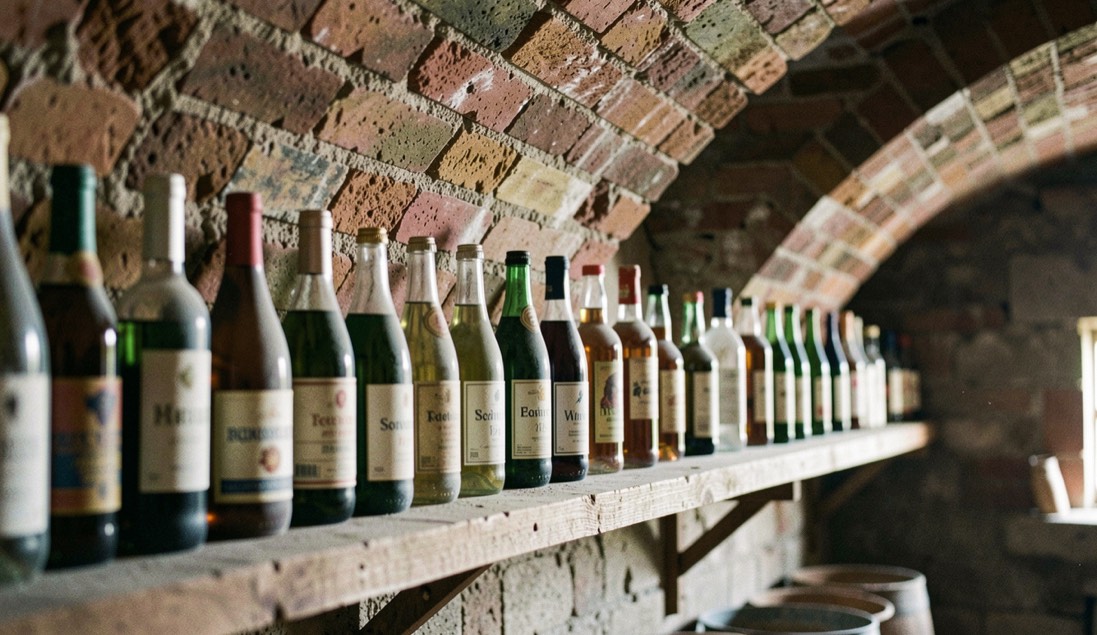
Bottle conditioning leaves live yeast locked inside each bottle with a small measured meal of sugar. Eating it, the yeast releases carbon dioxide that cannot escape, pressure builds, and the gas dissolves into the beer itself. Pour briskly weeks later and that dissolved gas wakes as the long lasting fine bead real ale drinkers treasure, quite unlike injected fizz that departs the glass sulking within minutes.
Three levers govern the outcome and only three: how much sugar was offered, how warm bottles stood while conditioning ran, and how patiently they were stored afterwards. Sugar fixes the ceiling on fizz. Warmth sets the pace of the work. Cool steady storage protects clarity and composure until drinking day. Everything else is decoration, pleasant but structurally irrelevant.
02 Timetables that bend politely
Real timetables bend around circumstance more gracefully than charts admit. An everyday bitter kept comfortably warm traditionally reaches respectable carbonation in about a fortnight. Stronger beers move slower, cold rooms slow everything dramatically, and an unheated back room in winter can triple any printed promise. Two temperate weeks therefore marks the earliest civilised moment to try one bottle, with improvement continuing freely beyond it.
| Stage,Where it sits,Fair judgement | ||
|---|---|---|
| Freshly bottled | Cool shelf | Flat and shy; verdict withheld firmly |
| First fortnight | Warm interior spot | Earliest honest trial for everyday strengths |
| Following month | Gradually cooling storage | Texture deepens, edges integrate |
| Patient seasons | Steady cellar dark | Full maturity for strong brews |
Chill any trial bottle briefly before pronouncing it flat, because warm samples hide their carbonation behind foam that never forms. If trials disappoint repeatedly despite proper patience, consult our off-flavour dictionary, since flatness arriving beside odd aromas points toward specific correctable causes rather than vague misfortune.
03 Storage posture and the yeast beneath
Store bottles upright and sediment gathers neatly at the base, where pouring leaves it behind. Lay them down and the same sediment smears along the shoulder, surrendering haze into every glass. Dark corners defend against light struck flavours, steady coolness defends against drift, and tidy rows defend against rummaging hands waking crates out of schedule. Thoughtful storage costs nothing and forgives nearly everything else. Every craft that waits keeps its own storage lore, argued over and written down; the rules for conservazione prosciutto read remarkably like these, being mostly about darkness, steady coolness and hands kept off.
Curiosity eventually asks whether yeast choice changes all this, and honest experience answers yes for texture though rarely much for timing. Our comparison of dry versus liquid yeast covers choosing strains deliberately. Beginners meanwhile should simply trust whichever fresh sachet accompanied their first beer kit, provided it stayed sealed until pitching day arrived on schedule.
Measured sugar deserves measured tools, which is why our case for a scale on the bench argues that grams outweigh spoons wherever priming doses get decided.
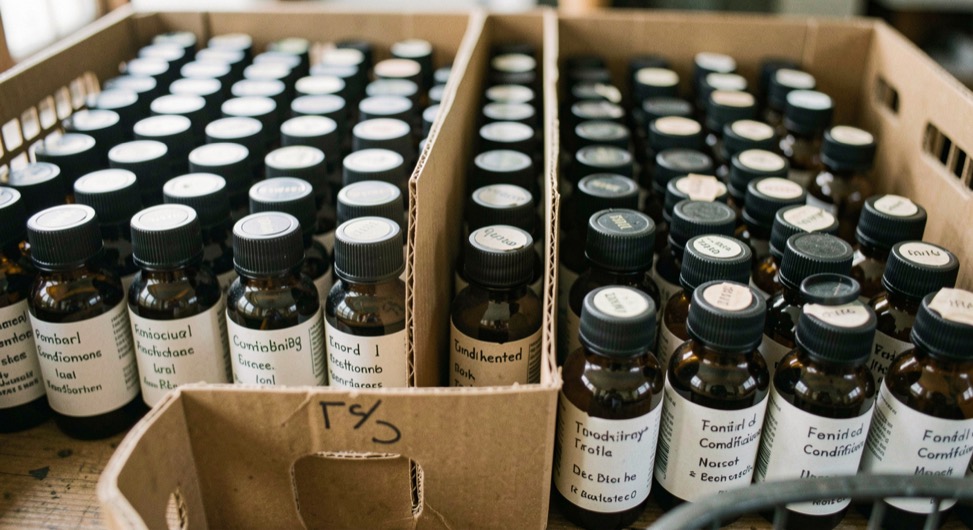
Bottle conditioning rewards stable storage. Heat speeds yeast, cold slows it, damp damages labels and caps. Paper and devotional objects respond in the same way. The guide to Identifying Old Prayer Books and Missals starts with the title page, not the cover, then uses the calendar to place the edition. It explains what materials decide for cleaning and care, including storing a rosary or medal. It closes with buying, handing on and a short checklist for a new acquisition.
04 Desk margin notes
Cold weather letters deserve their own answer here. Winter cellars slow conditioning so thoroughly that January bottles can taste unfinished in March and glorious by May. Nothing failed; the calendar simply stretched. Warm one bottle indoors for ten days before declaring any winter batch sluggish.
Gifting crates changes arithmetic quietly. A bottle opened by strangers gets judged at whatever temperature their kitchen keeps, which argues for slightly firmer priming and longer patience before the crate leaves. Write the intended opening month on the label and half the disappointment disappears before it starts.
Priming confusion between flat and under-primed resolves easily through sugar arithmetic honesty. If trials fizz eventually, patience was short rather than dose wrong; if never, revisit measurement habits before blaming recipes. Dosing spoons vary wildly, so weighing earns its drawer space permanently.