01 How do you compare a rental cabin before booking it?
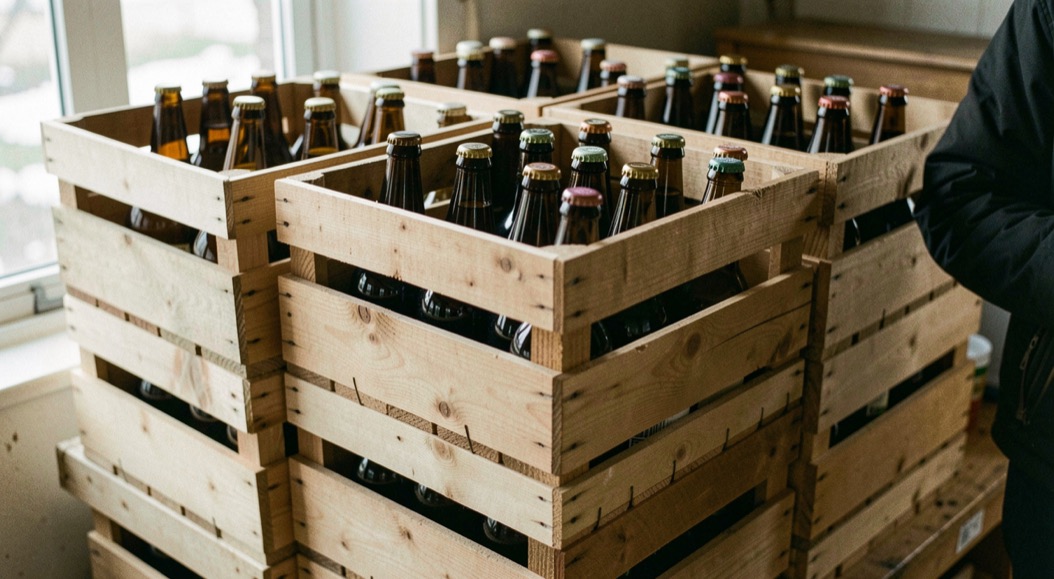
A cabin is compared on the things that decide the stay: water, heat, access road, sleeping layout and the distance to the nearest shop. Read the listing for what it does not say, then check the map and the season before you pay. A ridge walk is planned the same way: pick the season, set a turn-around time, and keep a weather margin you are willing to walk back in.
Start with the practical list, not the photographs. Photographs sell the view; the list decides whether the week works.
Water is the first item. Find out whether it comes from a mains supply, a tank or a spring, and whether it is drinkable without treatment. A cabin on a tank has a limit, and that limit sets how many showers and how much washing up a day can hold.
Heat is the second. Ask what heats the building and what happens when it fails. A wood stove needs dry wood on site, a place to store it and a way to light it. Electric heating needs a supply that holds under load, which matters more in an old building than a new one.
Access is the third. A track that a small car manages in July can be a different road in November. Ask about the last kilometre, the gradient, and whether the road is cleared or gritted. If the owner says four-wheel drive is recommended, treat that as required.
Then the layout. Count the beds and the rooms rather than the guests the listing claims. Check where the bathroom is, whether the kitchen has an oven or only a hob, and whether there is a table big enough to sit at. These details decide how a group of four actually spends an evening.
Finally, distance. Note the drive to the nearest shop, the nearest fuel and the nearest medical point. A cabin forty minutes from a village is a different proposition from one ten minutes away, and the difference shows up on the first morning when you have forgotten coffee.
For readers who want a wider frame on this kind of trip, cabin stays and ridge walks are covered as a magazine subject in their own right, with the same emphasis on preparation before departure.
02 Packing for an isolated stay
Isolation changes the packing list because nothing can be borrowed and nothing can be bought.
Take the items that fail silently. A head torch with spare batteries, a first aid kit you have actually opened, and a paper map with the route marked. A phone is useful and unreliable; treat it as a bonus.
Water and food follow the access. If the track is rough, carry more than you think you need and plan meals that use one pot. Dried goods, tinned fish, oats, rice and a bag of onions will feed a small group for days without a fridge.
Clothing is a layering problem, not a volume problem. Two warm mid-layers beat one heavy coat, because a cabin is often cold in the morning and warm by the afternoon. Add a waterproof shell, gloves and a hat, even in summer at height.
Tools are worth the weight. A knife, a lighter, a small roll of tape, a length of cord and a basic repair kit cover most of what goes wrong. If the cabin has a stove, take matches as well as a lighter.
Leave a plan with someone at home. The route, the cabin location, the expected return and the time you will call. That single message is the most useful piece of equipment on the trip.
03 How do you plan a ridge walk by season, with margin and a turn-around time?
A ridge is read in three layers: the season, the weather and the clock.
In winter, the ridge is a short day. Daylight is limited, snow hides the path, and the ground is slower than the map suggests. Plan a route you can complete in half the available light, and carry an ice axe and crampons if the slope is steep enough to need them.
In spring, the hazard is the surface. Old snow lingers in gullies and on north-facing ground, and it can be hard in the morning and soft by noon. Start early, and be ready to change the line rather than force it.
In summer, the problem is heat and storms. Start at first light, carry more water than feels necessary, and watch the sky after midday. Thunder on a ridge is not a matter of opinion; if it builds, descend.
In autumn, the days shorten quickly and the wind returns. The colours are the reward, and the margin is the price. Take a warm layer and a head torch even on a short route.
The weather margin is a decision made before you leave. Pick a wind speed and a visibility that would make you turn back, write them down, and hold to them. A margin of one hour of daylight and one step of wind strength is a reasonable starting point for a half-day ridge.
The turn-around time is the other half. Choose a clock time, not a place, and treat it as fixed. If you reach the turn-around time short of the summit, you turn. The summit will still be there, and the walk back is part of the day rather than a failure of it.
Navigation follows from this. Carry a map and compass, know the escape routes off the ridge, and identify the points where the terrain allows a descent. A ridge with no escape route is a commitment, and commitments need better weather than plans do.
04 How does a day in a cabin change with the seasons?
A cabin day is organised around light, heat and water, and all three shift through the year.
In winter, the day starts with the stove. Light it before anything else, because the building will not warm itself. Daylight is short, so the outdoor hours sit in the middle of the day and the morning and evening are spent indoors. Cooking is simple and early, and the evening is long.
In spring, the day stretches. The mornings are cold and the afternoons are mild, so the outdoor window widens and the stove is lit later. Snowmelt can affect the water supply, and the access track may be at its worst.
In summer, the day turns inside out. The cool hours are early and late, and the middle of the day is for shade, reading and slow meals. The stove is used little, the windows are open, and the evening is the best part of the day.
In autumn, the day contracts again. The light goes gold and then goes early, and the first frost arrives without warning. The stove returns, the woodpile matters, and the routine settles into a rhythm of a walk, a meal and an early night.
Across all four seasons, the useful habit is the same: decide the day the night before. Check the forecast, choose the window for going out, and leave the rest of the day loose. A cabin rewards a simple plan and punishes a crowded one.
05 What to settle before you go
Three decisions carry most of the trip. Compare the cabin on water, heat, access and distance before you book. Pack for the fact that nothing can be borrowed. Read the ridge by season, set a weather margin and a turn-around time, and hold to both.
The rest is routine, and routine is what makes a short stay in the mountains restful rather than merely short.
A cabin day often ends with a shared table, and the numbers change once the guest list passes twenty. Work out quantities for a large table before you shop: plates, glasses and portions per head, then a menu that fits one cold oven and a fixed count. The same planning covers safe holding between kitchen and service, and the shift from a served meal to a buffet. Get the counts and the holding times right, and the day runs without a scramble at the pass.