01 What country wine honestly means
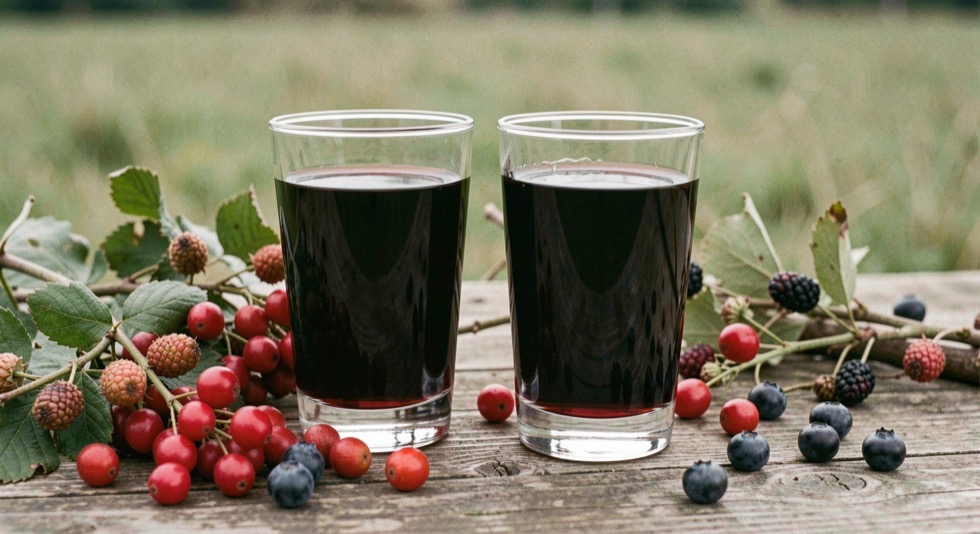
Country wines ferment whatever the garden, hedgerow or market tray offered beyond grapes: elderberry and plum, rhubarb and parsnip, elderflower and rose petal. British households kept the craft alive through decades when shop shelves offered little imagination. Recipes travelled between relatives on lined paper, margins annotated with small disagreements that outlived their authors fondly.
Success rests on a tripod unchanged since grape wines set the grammar: fruit supplying character, acidity supplying refreshment, tannin supplying grip and ageing ambition. Inherited pamphlets carry beginners confidently through first attempts while intuition develops season by season. Family house styles eventually crystallise unmistakably, and descendants defend them affectionately forever afterwards.
02 From picking baskets to bubbling jars
Preparation honours each fruit individually. Freezing softens cellular walls so berries release juice and colour generously once thawed. Primary fermentation traditionally spends its first days sitting with the pulp, drawing flavour and shade into the liquid before pressing separates skins decisively on a weekend chosen for patience rather than convenience.
Sugar additions follow printed recipes faithfully at first, adjusted later as palates accumulate seasons of evidence. Cleanliness transfers intact from beer backgrounds, documented thoroughly within our sanitising routine. One difference deserves respect: fruit acids behave aggressively toward unsuitable metals, so glass and food grade plastics remain preferred, with demijohns beloved as reasonably priced heirlooms.
- Prepare fruits suitably, respecting individual quirks attentively.
- Dissolve prescribed sugars completely before pitching prepared yeast.
- Fit airlocks promptly with dates written visibly alongside.
- Rest undisturbed somewhere temperate until primary activity quietens.
- Rack off sediment patiently, guided by hydrometer confirmations.
- Bottle only once stability shows through repeated matching readings.
03 Maturing beneath stairs gracefully
Clearing proceeds silently over weeks, rackings lifting wine above settled sediment until brilliance arrives unannounced one morning when a cupboard opens casually. Bottle maturity extends months at minimum, stronger derivatives years comfortably. Neglected cartons rediscovered late become family legend, reunions repeating annually with spontaneous proposals eagerly anticipated by growing constituencies.
First tastings happen spoon deep and unofficially, grand presentations reserved for earned confidence. Timing aligns beautifully beside first cider attempts since both share equipment and autumn weekends, an overlap reflected in our wider autumn planning notes. Whatever the calendar decides, label every jar clearly; mystery bottles amuse annually while labelled vintages gift future selves repeatedly. A sweet elderflower or damson bottle finds its hour at the pudding end of a meal, which is precisely where a shelf of ricette dolci italiani earns its keep beside the demijohns.
Labels deserve honesty beyond the cellar door as well. Our study of the words German wine law reserves shows what happens when a label promise carries a legal number behind it, a standard pencilled vintages can borrow freely.
A vintage report describes the growing season, not the wine in your glass, so treat it as context rather than a score. In Marlborough, warm years tend to give riper fruit and higher alcohol, cool years sharper acidity, and small crops concentrated flavours. For sauvignon blanc, most bottles drink well within two to three years, though the better examples hold longer. If you want to know how long sauvignon keeps before you lay any down, read the report alongside the producer's notes rather than relying on the year alone.
A wine can be read in the glass before the label is turned. Colour, acidity and the weight of fruit tell you more about where a bottle came from than any back label claim. A dry riesling built on acidity tastes lean and persistent; one built on alcohol and extract feels broader and warmer. The same logic applies to the Schwarzriesling branch of the burgundy family, and to wood versus steel. When you buy direct from the estate, those differences become easier to taste and to trust.
04 Desk margin notes
Hedgerow etiquette travels with the craft wherever it goes. Taking modestly, leaving pathways tidy and asking orchardkeepers directly maintains access traditions benefiting everyone after us. Letters describing generosity returned doubled arrive annually, proving good manners ferment alongside the jars quietly.
Mixed vintage blending rewards experimentation once singles master basics. A thinner elderberry softened by sweeter plum creates dinner table harmony neither achieved alone. Keep one labelled bottle from every batch specifically for such future negotiations between jars gathering dust otherwise unappreciated shelves.
Acid assessments intimidate newcomers unnecessarily since tongues calibrate quickly against familiar examples. Sour sweets baseline, tea tannin reference, lemon freshness anchors: household pantries contain complete laboratories already waiting recognition. Confidence grows fastest whenever chemistry vocabulary stays shelved initially conversations remain deliciously plain.