01 What are the classic dishes of Vaud farmhouse cooking?
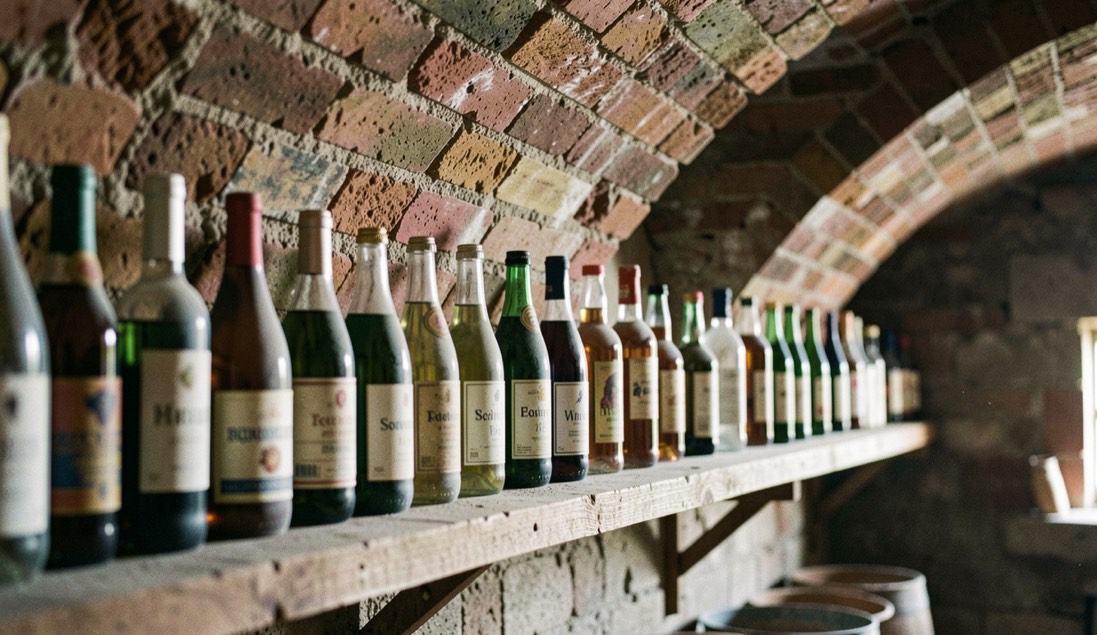
Vaud farmhouse cooking rests on a small set of sturdy dishes: papet vaudois, cheese dishes from the canton, autumn ceps and chestnuts, and chocolate from the Romandie. A gourmet route through a western Lausanne district works best when it is planned around one valley or one road rather than a list of addresses. The wines that carry this food are mostly chasselas, bought at cellars and markets along La Côte and in the Gros-de-Vaux.
The core of the repertoire is papet vaudois: leeks cooked slowly with potatoes, served with saucisson vaudois and, in many households, a piece of pork. It is a winter dish, and it is the one most often named when people ask what Vaud cooking actually is. Around it sit the farmhouse staples: long-simmered cabbage, dried beans, potatoes in several forms, and pork preserved as sausage, ham or lard.
Cheese carries a large part of the table. The canton produces hard cheeses for grating and for eating, and softer cheeses for spreading. A plate of local cheese with bread and a few nuts is a full farmhouse course, not a garnish. In autumn, ceps and chestnuts appear: ceps cooked in butter or cream, chestnuts boiled or turned into puree, and both used to bulk out a meal that would otherwise be potatoes and pork.
Chocolate belongs to the Romandie rather than to the farmhouse kitchen alone, but it is part of the same food landscape. It is eaten as a snack, used in desserts, and bought from makers whose workshops sit within a short drive of most Vaud villages. For a cook outside Switzerland, the practical entry point is the same as for the Swiss: pick one dish, cook it slowly, and buy the sausage and cheese from a specialist rather than a supermarket.
If you want the dishes in their own setting, a French-language magazine covering Vaud cooking in and around Crissier is a useful reference for what is served where, and for the seasonal variations that a recipe book tends to flatten out.
02 How do you plan a gourmet route through a small district?
A small district is not a city. It has a handful of roads, one or two centres, and a lot of farmland between them. The mistake is to plan by restaurant alone. Plan by geography instead, and let the food fall out of the route.
Start with a single axis. In the west of Lausanne, the obvious axis runs from Crissier towards Morges, with villages and farmland on both sides. Fix two anchor points on that line: one for lunch, one for the end of the day. Everything else is optional.
Then decide the mode of travel. A car gives you the cellars and the farm shops, which are rarely on a train line. A train and a bus give you the town centres and the markets, and remove the question of who is driving after a tasting. Both work. They produce different days.
Build in one non-food stop. A walk, a lake shore, a viewpoint. A route made only of meals becomes heavy by mid-afternoon, and the non-food stop is what makes the second meal enjoyable rather than dutiful.
Book the main meal and leave the rest open. In a small district, the good tables fill up, and the informal stops, a bakery, a farm shop, a market stall, do not need booking. If a table is full, the fallback is usually within ten minutes' drive.
Finally, check the day. Many farm shops and cellars open only on certain weekdays, and markets run on fixed mornings. A route that ignores opening hours turns into a drive past closed doors.
03 Which local wines accompany that cooking?
Chasselas is the default white of the region and the natural partner for the food described above. It is light, dry, and low in obvious fruit, which is exactly what a plate of leeks, potatoes and sausage needs. It does not fight the salt or the fat. It also handles cheese better than most whites, particularly the firmer Vaud cheeses.
For papet vaudois, serve chasselas chilled but not cold. For ceps and chestnuts, the same wine works, though a slightly fuller chasselas from a warmer site will hold up better to butter and cream. For chocolate, a red from the canton or a sweet wine made locally is the more usual choice; chasselas is not the answer to every course.
Red wines from Vaud exist and are worth trying, but they are produced in smaller quantities and are less often exported. If you are travelling, treat them as a local discovery rather than a planned purchase.
04 Where do you buy these wines?
Three routes, in order of how much you want to carry.
At the cellar. Producers along La Côte and in the Gros-de-Vaux sell directly from the domaine. This is the cheapest route and the only one where you can taste before buying. Opening hours are limited, often to a few afternoons a week, and some cellars ask for an appointment.
At the market. Weekly markets in the district and in Lausanne sell wine alongside cheese, bread and vegetables. Selection is smaller, but you can buy a single bottle and ask the stallholder what it goes with. This suits anyone travelling by train.
At the farm shop. Farms selling their own produce often carry wine from a neighbouring producer. It is not a wine shop, so the range is narrow, but the pairing advice is usually reliable because the same people eat the food.
For anyone outside Switzerland, the practical option is a specialist importer. Chasselas travels badly in the sense that it is rarely the same wine after a long journey, so buy from a merchant who moves stock quickly and store it cool.
05 How does the cooking fit the route?
A workable day in the west of Lausanne looks like this. Morning at a market, buying cheese, bread and a bottle. Late morning at a cellar, tasting chasselas. Lunch at a table serving Vaud classics, papet vaudois in winter or a cheese dish in summer. Afternoon on foot, away from the table. Late afternoon at a farm shop for anything that will survive the journey home.
The cooking and the route reinforce each other. Farmhouse dishes are built for cold weather and long meals, which is why they sit naturally at the midpoint of a day rather than at the end of it. Chasselas is built for the same pace: low alcohol, dry, and easy to drink across two hours.
If you are cooking at home instead of travelling, the same logic applies in miniature. Cook one Vaud dish, buy one chasselas from a merchant who knows the region, and keep the rest of the meal plain. The food is not complicated. The wine is not complicated. The pairing works because neither side is trying to dominate the other.
06 A note on season
Autumn is the strongest season for this food. Ceps and chestnuts are in, the cellars have released the new vintage, and the markets are at their fullest. Winter is the season for papet vaudois and for the heavier cheeses. Spring and summer shift the table towards lighter cheese dishes, salads and the terrace wines of Lavaux, which are the same chasselas in a different setting.
Planning around season is more useful than planning around a list of names. A dish cooked in its month tastes better than the same dish cooked in the wrong one, and the wine that goes with it will be easier to find.
A dry climate asks different questions of a house than a wet one. Water is stored before it is used, stone is laid to shed heat as well as rain, and lime lets old walls breathe where cement would trap moisture and crack. Cooking and gardening follow the same logic, worked around the season rather than against it. For a fuller account of water, stone and season in a rural Spanish house, including the month by month calendar of the campo and what a first time owner should do in the first year, that article sets out the order of work plainly.